
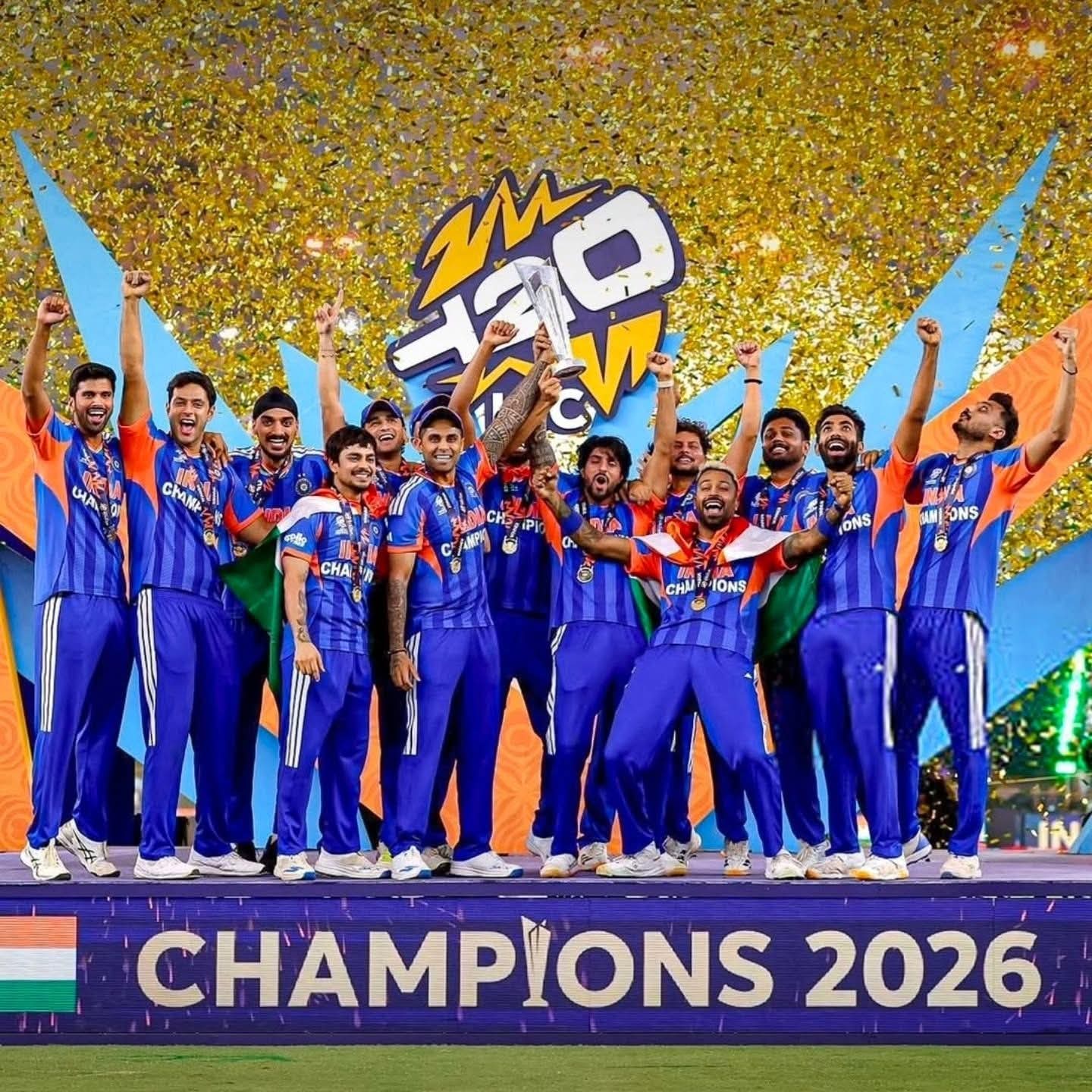
When the India national cricket team lifted the ICC Men’s T20 World Cup once again, the moment resonated far beyond the boundary ropes. For millions of fans, it was a celebration of national pride. For leaders, entrepreneurs, and professionals across industries, it was a powerful case study in strategy, preparation, and teamwork.
Cricket, especially the T20 format, mirrors the modern world—fast-paced, high-pressure, and unforgiving of mistakes. Victory is rarely accidental. It is the outcome of planning, clarity of roles, execution under pressure, and the ability to adapt in real time.
India’s triumph showcased exactly that.
This victory was not just about runs scored or wickets taken. It was about the systems, mindset, and culture that make championship teams possible.
The Real Story Behind India’s T20 World Cup Success
Behind every trophy lies months—sometimes years—of planning and preparation. India’s performance throughout the tournament demonstrated a well-balanced combination of talent, analytics, leadership, and belief.
The team played with a clear philosophy: attack with intent, trust the process, and rely on collective strength rather than individual brilliance alone.
Let us explore the key lessons from this historic victory.
1. Depth Wins Championships
One of the most defining strengths of modern Indian cricket is extraordinary bench depth.
In earlier eras, teams often relied heavily on a handful of star players. If those players failed, the team struggled. But this new generation of Indian cricket has evolved into something far more resilient.
India now possesses:
- Multi-dimensional all-rounders
- Power hitters capable of accelerating the scoring rate
- Specialist bowlers for every phase of the game
- Exceptional fielders who save crucial runs
This depth ensures that the team does not collapse under pressure when one or two players have an off day.
In business terms, this is equivalent to building organizational redundancy and cross-functional capability. Teams that rely on a single performer are vulnerable. Teams where everyone can contribute are unstoppable.
Championship teams are built on collective capability, not individual dependency.
2. Fearless Modern Cricket
One of the biggest transformations in Indian cricket over the past decade has been the shift from cautious play to fearless, high-intent cricket.
The approach during this World Cup was unmistakable:
- Attack from the first ball
- Maintain scoring momentum
- Put the opposition under constant pressure
- Treat risk as an opportunity rather than a threat
This aggressive mindset reflects the global evolution of T20 cricket.
Modern teams understand that playing not to lose is the fastest way to lose.
Instead, India embraced a philosophy of:
Attack → Dominate → Control the Game
This mindset is equally relevant in business and leadership. Organizations that succeed in fast-moving markets are those willing to take calculated risks, innovate boldly, and move faster than competitors.
3. Leadership and Calm Under Pressure
World Cups are not won in comfortable moments—they are won in pressure situations.
Knockout matches test the psychological strength of a team:
- A single over can change the match
- One wrong decision can cost the trophy
- Pressure from millions of viewers can affect performance
Yet, throughout the tournament, the Indian leadership group displayed remarkable calm.
Great leaders create environments where players feel:
- Trusted
- Empowered
- Clear about their role
When individuals know exactly what is expected of them, they perform with confidence.
In high-stakes environments—whether sports, startups, or corporate leadership—clarity reduces anxiety and enhances execution.
This is why the best leaders focus on:
- Clear communication
- Defined responsibilities
- Calm decision-making under pressure
Championship moments demand steady minds more than flashy decisions.
4. Data + Talent = Dominance
Modern cricket is no longer just about instinct. The game has evolved into a sophisticated blend of analytics and human intuition.
India’s tactical decisions during the tournament reflected a strong analytical framework:
- Match-up-based bowling changes
- Data-driven field placements
- Strategic use of bowlers against specific batters
- Predictive analysis of scoring zones
However, data alone cannot win games.
What makes elite teams powerful is their ability to combine analytics with instinctive leadership.
The equation is simple:
Data provides insight.
Talent provides execution.
Leadership provides timing.
This fusion of analytics and human judgment is now shaping success across industries—from finance to technology to sports.
Organizations that learn to integrate data intelligence with human creativity gain a powerful competitive advantage.
5. The Power of Collective Belief
Perhaps the most beautiful aspect of this victory was the collective spirit of the team.
In tournaments like the T20 World Cup, individual brilliance may win a match, but collective belief wins the tournament.
Throughout the campaign, India demonstrated:
- Selfless team play
- Players stepping up at crucial moments
- Support for teammates during pressure situations
- A shared commitment to the bigger goal
When teams genuinely play for each other, they unlock a powerful emotional energy.
This culture transforms a group of talented individuals into a unified force.
Great organizations understand this principle well:
Culture often outperforms talent.
A team united by purpose can overcome setbacks, absorb pressure, and consistently deliver results.
Lessons for Leaders Beyond Cricket
India’s T20 World Cup victory offers insights that extend far beyond the cricket field.
Leaders in business, startups, and organizations can draw powerful parallels:
Build Depth
Resilient teams have multiple contributors, not just star performers.
Encourage Fearless Thinking
Innovation and growth require bold decisions.
Maintain Calm Leadership
Pressure situations demand clarity and composure.
Use Data Wisely
Analytics should guide decisions, not replace human judgment.
Foster Collective Culture
Success becomes sustainable when teams believe in a shared mission.
These principles are universal—whether you are managing a cricket team, building a startup, or leading a large organization.
A Moment of Pride for Every Indian
For fans across the country, this victory is a moment of celebration and pride. Streets erupt with joy, social media fills with congratulations, and millions of hearts beat with the same emotion—pure happiness.
But beyond the celebrations, this triumph is also a reminder of what becomes possible when talent, preparation, leadership, and belief come together.
The journey of the India national cricket team in the ICC Men’s T20 World Cup is a story of evolution—of a team that embraced modern thinking, trusted its depth, and executed fearlessly under pressure.
It is not just a sporting victory. It is a masterclass in teamwork, strategy, and leadership. And for millions of Indians, it is a moment that will be remembered for years to come.Congratulations, Team India. 🇮🇳🏆